From Bottled Water to Freshly Made Sparkling Water: How Sparkling Water Machines Reduce Packaging Waste
Table of Contents
Introduction
Sparkling water has become a popular choice for everyday hydration and foodservice because it is convenient and ready to drink. However, the environmental impact of sparkling water goes beyond the water itself. Glass bottles, plastic bottles, and metal cans all require resources and energy to produce, transport, and process after use, which can result in additional carbon emissions. When bottled water is consumed frequently, the large amount of single-use packaging creates an even greater environmental burden. Unlike traditional bottled water, sparkling water machines use an existing water supply to make sparkling water on demand and can dispense it into reusable containers, reducing the need for single-use packaging.
What Problems Does Single-Use Packaging Create?
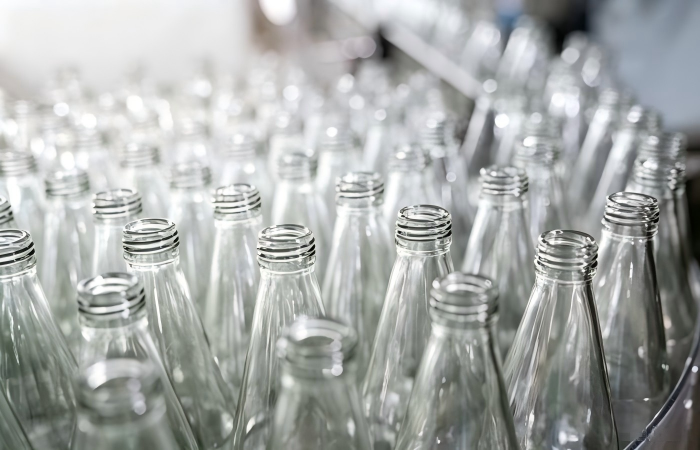
1. Glass Bottles: Recyclable Does Not Mean Impact-Free
Glass is often considered a relatively environmentally friendly packaging material. However, glass bottles still require significant resources and energy throughout their lifecycle. Glass production relies on raw materials such as silica sand, soda ash, and limestone, which must be mined, processed, and manufactured at high temperatures, all of which require substantial energy.Glass bottles are also relatively heavy. Compared with plastic bottles, transporting the same amount of water in glass bottles means moving more weight, which increases energy consumption and carbon emissions during transportation.Another practical issue is that glass is fragile. If bottles break during transportation, they not only result in product loss but can also create broken glass, increasing the cost of cleanup and handling.Although glass can technically be recycled, the actual effectiveness of recycling depends on factors such as collection systems, consumer sorting, and transportation costs. As a result, some glass bottles may still end up in landfills.
2. Plastic Bottles: High Consumption Creates Long-Term Environmental Pressure
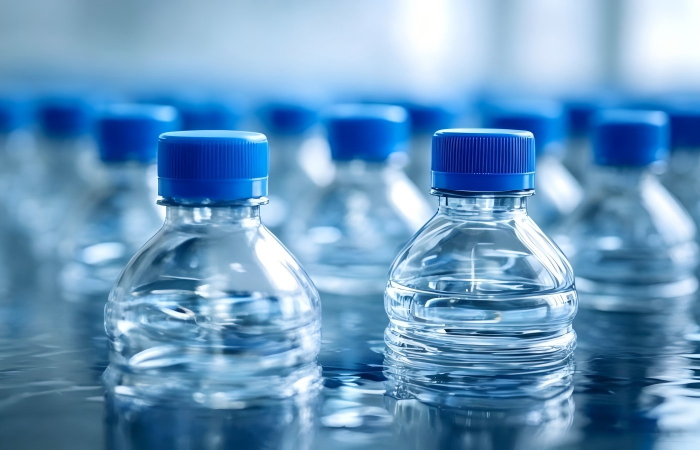
Plastic bottles are primarily made from fossil resources such as petroleum, which are non-renewable. The large-scale production and consumption of single-use plastic bottles therefore increases demand for these resources.Another concern is that plastic breaks down very slowly in the natural environment. Over time, plastic bottles can gradually fragment into tiny plastic particles that enter soil, rivers, and oceans. These microplastics may be ingested by aquatic organisms and can eventually enter the food chain. The impact of plastic packaging therefore extends beyond the waste itself.In addition, the actual recycling rate of plastic bottles is still affected by collection systems and processing costs. As a result, a large amount of discarded plastic does not enter an effective recycling or reuse system.
3. Metal Cans: Production and Recycling Also Require Resources
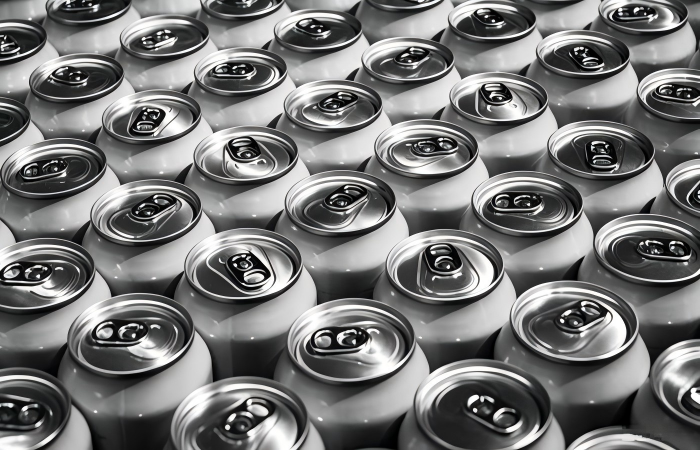
Metal packaging, such as aluminum cans, is generally lighter than glass bottles, but its production still requires considerable energy. Taking aluminum as an example, the process involves several stages, from bauxite mining and aluminum refining to can manufacturing. These processes can also generate industrial waste and emissions.The cost of the metal itself also contributes to the overall packaging cost. Although metal cans are lighter than glass bottles during transportation, moving them still requires additional energy. Cans can also become dented or damaged during transportation and use.Metal has good recycling value, but recycling still involves collection, sorting, cleaning, and remelting. If the recycling infrastructure is inadequate, some metal cans may never enter the formal recycling system.
Sparkling Water Machines: Changing the Way We Consume Sparkling Water
Reducing single-use packaging at the source can eliminate the need for packaging materials to go through the entire cycle of production, transportation, and disposal. This is where sparkling water machines can make a difference.
1. Reducing Single-Use Packaging
With a sparkling water machine, there is no need to repeatedly purchase pre-packaged sparkling water. Instead, sparkling water can be made fresh whenever it is needed.In high-consumption settings such as homes, offices, and foodservice establishments, reusable containers can be used to serve freshly made sparkling water. Compared with continuously purchasing single-use bottled water, this approach can significantly reduce the use of glass bottles, plastic bottles, and metal cans.The containers can be reused repeatedly with routine cleaning and maintenance.
2. Reducing Carbon Emissions from Transportation
Bottled water typically goes through multiple stages, including packaging production, filling, warehousing, transportation, and final disposal. Using a sparkling water machine can reduce the need to transport large quantities of finished bottled water.Consumers no longer need to repeatedly move large volumes of packaged water, which can reduce the amount of goods transported and the energy consumed during transportation.On-demand production also makes it possible to adjust output according to actual consumption, helping reduce waste caused by purchasing more than is needed.
3. Encouraging a More Sustainable Consumption Model
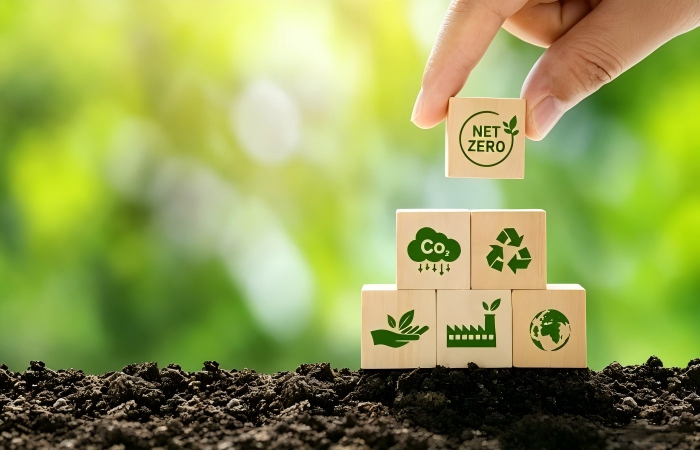
The value of sparkling water machines goes beyond simply eliminating a few bottles. More importantly, they offer a different way to consume sparkling water.As more people choose to make sparkling water on demand, demand for single-use packaging may gradually decline. This could encourage manufacturers to rethink packaging materials and product distribution methods while reducing reliance on non-renewable resources.At the same time, greater demand for reusable containers and related products can further support the development of more sustainable consumption models.
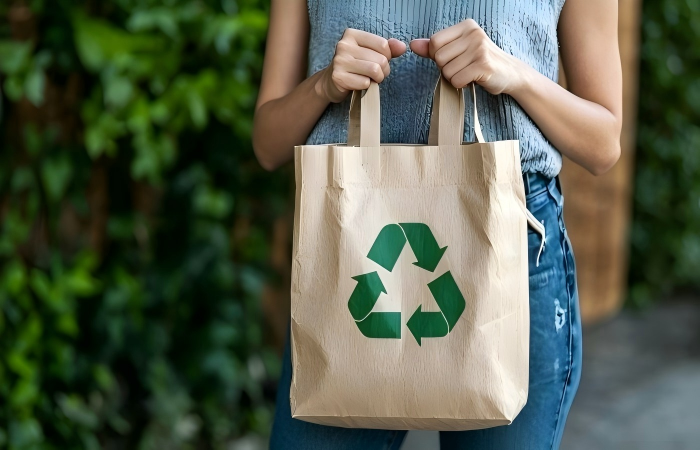
Conclusion: From “Buying a Bottle” to “Making It on Demand”
Bottled sparkling water offers convenience, but that convenience comes with environmental costs associated with packaging production, product transportation, and waste management.Sparkling water machines provide an alternative approach: instead of repeatedly purchasing pre-packaged sparkling water, users can make the amount they need on demand.By reducing the use of single-use packaging and the need to transport finished products, this model can help reduce resource waste and environmental impact at the point of consumption.In the long term, a sparkling water machine is more than just a beverage appliance—it can also support a more sustainable way of enjoying sparkling water.
· Bestware: Commercial Sparkling Water Solutions
Bestware is a leading Chinese provider of commercial sparkling water machine solutions, covering product design, manufacturing, installation, and after-sales service, while also offering OBM/OEM services.Whether customers need standardized products or customized solutions, Bestware can develop suitable solutions based on their specific applications and requirements, providing high-quality and more environmentally conscious water dispensing equipment to customers worldwide.Start by reducing the need for one single-use bottle and make freshly made sparkling water a more sustainable choice.